
If you're a parent of a child with ADHD, you've probably been told to "find them an outlet." You've probably also tried a few things that didn't stick - the team sport where they couldn't stand still in the outfield, the after-school program where they felt singled out, the activity that started strong and ended with tears in the parking lot.
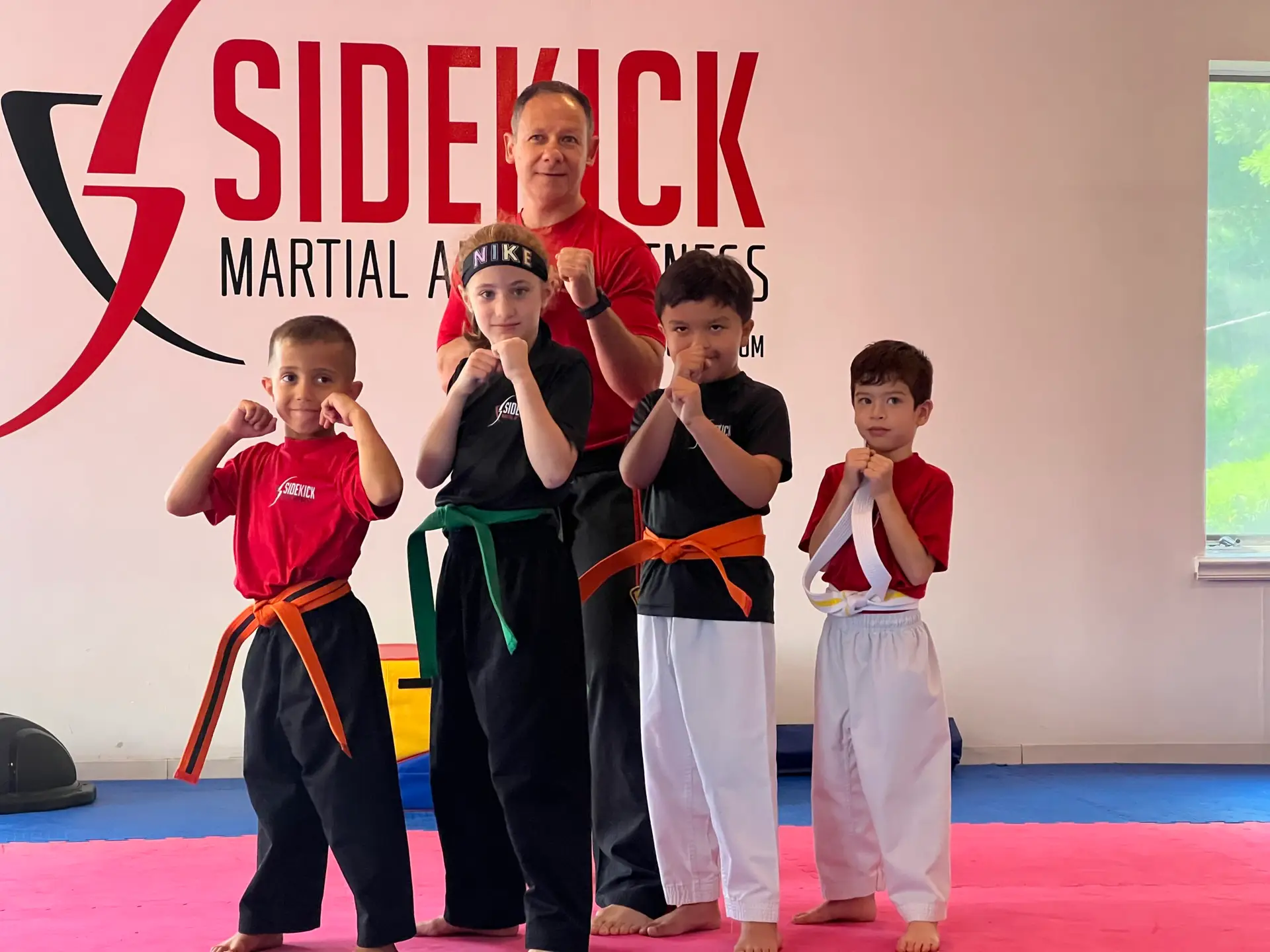
We've heard a lot of those stories. Sidekick was built around them. Master Joe, our head instructor, grew up with ADHD before it had a name - and he built this school specifically around small classes, clear structure, and meeting each kid exactly where they are.
This guide answers the question we get from parents almost every week: is martial arts good for kids with ADHD? The short answer is yes - when the school is the right fit. Here's what to know.
Why martial arts works for kids with ADHD
Kids with ADHD aren't broken - their brains just run a different operating system. They need more novelty, faster feedback, and clearer structure than most environments give them. A well-run martial arts class delivers all three at once.
Focus through structure
Every class follows a predictable rhythm - bow in, warm up, drill, technique, application, bow out. Predictability lowers anxiety. Inside that frame, kids practice paying attention to one specific thing at a time.
Coordination and body awareness
Many kids with ADHD also have motor-planning challenges. Drilling stances, footwork, and combinations builds the brain-body connection that helps with handwriting, sports, and everyday confidence.
Short wins, real progress
The belt system breaks a multi-year journey into stripes, levels, and belt tests. Kids who struggle to see long-term progress get a tangible reminder every few months that their effort is working.
Confidence that travels
Breaking a board, passing a belt test, helping a younger student - these are real accomplishments. Confidence built on real things follows kids back into the classroom and the cafeteria.
Master Joe's story
Master Joe started training as a kid because nothing else worked. School was hard. Sitting was hard. Following along was hard. Karate was the first place where the rules felt fair, the goals felt reachable, and an adult took the time to actually teach him - not just manage him.
37 years of training and 33 years of teaching later, Sidekick is built around that experience. The school stays small on purpose. Classes cap so every kid gets seen. Instructors slow down when a student needs to slow down, and push when a student is ready to push. That's not a marketing line - it's the only way Master Joe knows how to run a class, because it's the only way classes worked for him.
What to look for in a school
Not every martial arts school is set up for kids who need extra attention. A few things matter more than belt color or trophy walls.
Small class size. If there are 30 kids on the mat and one instructor with a microphone, your child will not get coached. Look for a real instructor-to-student ratio.
A clear curriculum. Ask what your child will learn by yellow belt. A good school can answer in specifics. A vague answer is a red flag.
Patience over performance. Watch a class before signing up. Is the instructor demanding silence, or building it? Are they correcting kids harshly, or coaching them?
A free trial. Any good school will let you try a class - or a week of classes - before you commit. Use that. Your gut, and your kid's gut, will tell you a lot.
What about anxiety?
ADHD and anxiety travel together more often than not. The same things that help kids with ADHD - predictable structure, clear expectations, small wins, a coach who knows their name - also help anxious kids. We've watched shy students who hid behind their parents at their first class end up standing in front of the room teaching their peers a year later. It's not magic. It's small classes, real attention, and time.
Common questions
Is martial arts good for kids with ADHD?
Yes. The structure, clear rules, immediate feedback, and physical movement of a good martial arts class give kids with ADHD an environment that helps them focus and feel successful. The belt system breaks long-term progress into short, achievable goals.
What age can a child with ADHD start?
Most kids can start at age 3 in a Tiny Tigers program (they must be potty trained), and 6+ in a standard kids program. What matters more than age is class size - look for small groups where instructors can give each child real attention.
Will it make my child more aggressive?
No - the opposite, when taught well. Real martial arts teaches self-control, respect, and how to handle conflict without escalating.
How often should they train?
Two classes a week is the sweet spot for most kids to see real progress without burning out. Many of our students train more once they fall in love with it.